Disability Pride Month
July is Disability Pride Month
At Qi Creative, we want to take a moment to share a little more about Disability Pride and offer practical ways to strengthen your allyship with disabled friends, family, neighbours, colleagues, and community members.
Since the Disability Pride Flag was updated in October 2021, it’s important to use the current design with straight lines and desaturated colours rather than the older zig-zag version.
Understandings of disability have also shifted over time, especially in healthcare, education, media, and professional spaces. Disability Pride Month is a good time to refresh your perspective and update your knowledge.
While “pride” is often associated with 2SLGBTQI+ pride, Disability Pride is not intended to co-opt the meaning or message of such or other movements. Amber McLinden of Disability Pride Alberta explores this more in depth.
About the Disability Pride Flag

Image description: A charcoal grey flag with a diagonal band from the top left to bottom right corner, made up of five parallel stripes in red, gold, pale grey, blue, and green Description ends
The Disability Pride Flag was created by Ann Magill, with feedback from the disabled community helping refine the final design. It reflects the variety of disabled experiences while emphasizing solidarity and visibility.
The Black Field: representing mourning, rage, resistance, and protest.
The Five Colours: representing the diversity of disability experiences. (Invisible and undiagnosed disabilities, physical disabilities, neurodivergence, psychiatric disabilities, sensory disabilities)
The Parallel Stripes: representing solidarity within the disabled community.
The Diagonal Band: symbolizing the breaking of barriers and the presence of creativity and light.
If you’re using the flag publicly or digitally, stick with the current revised version to avoid the flicker effects associated with the older design.
What are the Medical and Social Models of Disability?
What are the medical and social models of disability? While the video above is a great intro, what it boils down to is how disability is perceived:
Medical model: My disability prevents meaningful participation. I must act, behave, communicate, or otherwise present myself as close to typical able-bodiedness as possible to participate in my community.
Social model: Society prevents meaningful participation. Through adaptations such as physical modifications to the environment, expanded social policies, and cultural inclusion, participation expands to include multiple ways of engaging within my community.
Focusing on the medical model, and economic productivity or social performance as markers of ‘success’ or ‘healing’ from disability, creates an emphasis on disability as a lens of deficiency, launching into much of the ableist discourse most disabled people continue to advocate against today (and remains very pervasive, with much research to be done within the intersections of 2SLGBTQI+, disabled, and people of color)
In present day, while service providers such as ourselves continue to be influenced by medical models, elevating the social model to equal, if not stronger, importance can help raise equitable participation for everyone—to assist in a therapeutic manner with serious illnesses, disabilities, and other life challenges, while also enhancing community resources and following our clients’ leads.
What is Ableism?
Ableism is discrimination against disability. It can show up in physical spaces, language, systems, and attitudes.
Common examples include:
Inaccessible transit, buildings, websites, and public spaces.
Treating accommodations as special treatment instead of basic access.
Infantilizing disabled people or calling them “inspiring” for ordinary activities.
Using outdated or dismissive language.
Assuming verbal communication, eye contact, or productivity are the only valid standards.
Ignoring disability-led knowledge, experience, and expertise.
A good rule: if the default setup excludes disabled people, the problem is not disability, it’s access.

[Ableism is] a system that places value on people’s bodies and minds based on societally constructed ideas of normalcy, intelligence, and excellence. (rod-long-f6PNAO4Kn18-unsplash.jpg)
Intersectionality Matters
Disability Pride does not exist in isolation. Disability justice includes race, gender, sexuality, class, religion, and culture, all of which can affect an individual’s experiences with their disabilities.
If your disability inclusion doesn’t include intersectionality, it isn’t complete inclusion. Disabled people bring diverse lived experiences, and meaningful advocacy should reflect that.
How to Be a Better Ally
A few simple practices can make a real difference:
Believe people when they tell you they are disabled or need accommodations.
Ask before helping, pushing a wheelchair, or touching mobility or service devices.
Make events, workplaces, and online spaces accessible from the start.
Use respectful language and follow each person’s preferred terms.
Avoid invasive questions about someone’s body, diagnosis, or medical history.
Listen to disabled people rather than speaking over them.
Disability Pride Month can be tiring for disabled people, especially when they are asked to educate others. The most respectful thing you can do is listen, learn, and act.
Support Disabled Creators
One of the simplest ways to be a better ally is to follow, learn from, and support disabled people directly.
Follow disabled creators on social media. Subscribe to their newsletters and channels. Buy products and books from their stores. Donate to their causes. Give disabled voices platforms and pay for their expertise.
Rather than treating Disability Pride Month as a one-off moment, look for disabled-led work that continues year-round.
Here is a short, non-exhaustive list to get started:
Dr. Jaipreet Virdi - Disability historian
Alice Wong - Creator and amplifier of disability media & culture; the Disability Visibility Project
Liam O’Dell - Journalist, theatre critic and campaigner (#CCMeIn raising awareness of deaf & hard of hearing people)
The Disabled List - Disability-led, self-advocacy organization curating disabled creators and partnerships
Melissa Blake - Blogger, selfie taker, empowering others with #DisabledJoy
Haben Girma - Deafblind advocate, lawyer, writer, speaker & accessible technology expert
Carly Findlay - Disability rights campaigner and author of Say Hello - Things they don’t tell you about being a Disability Activist
Amit Patel - Author of Kika and Me
Hannah Barnham-Brown - Doctor, politician, speaker, #RollModel and disability advocate
And from our Qi Creative blog archives:
Disability Pride Reading Lists


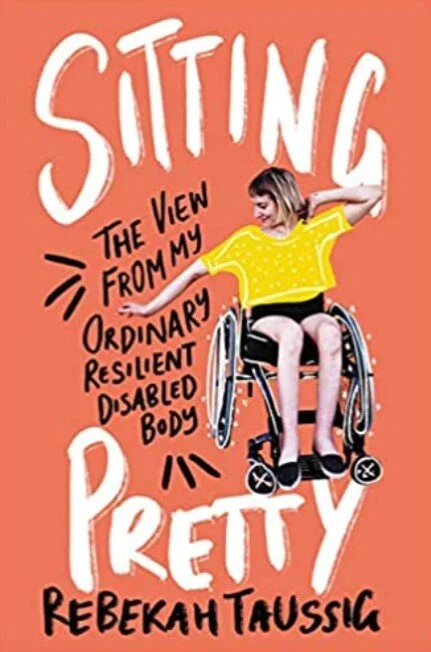

Inclusivity, accuracy, and disabled authorship in books and media depictions is rising. Looking to fill your days under the sun with a book? Check out these book lists, blogs, and articles:
Believe, Listen, and Learn
While we’ve mentioned current and historical topics shaping Disability Pride movements, it is important to continue educating yourself and to listen to and learn from those around you.
Believe people unconditionally when they disclose a disability; don’t accuse people of ‘faking’ their disabilities, their adaptations, their boundaries and their needs.
Planning an event? Be more conscientious about the venue’s accessibility. The single elevator on the other side of the auditorium is inaccessible. Consider lighting and glare, navigation, ambient sound, and access to a multipurpose quiet room. Take accommodation requests seriously.
Talk about disability with your children, and do so with a neutral stance (eg., They are a wheelchair user; not, ‘something awful must have happened’).
Keep invasive questions about disabilities to yourself, especially if you do not know them well.
Tread lightly and respectfully: Disability Pride Month can be an exhausting period for disabled people, whether or not they speak or advocate publicly.
Explore the policies and practices of your workplaces and the accessibility of your physical location, and, with the ableism considerations mentioned earlier in this blog, advocate for change.
“Someone with a diagnosis of ‘mild autism’ doesn’t mean that they experience their autism mildly; it means that *YOU* experience their autism mildly.”
Related Links:
Crip Camp - A Netflix original documentary film
IN A BEAT - Original short film by 37 LAINES
Can I Play That - Game writing publication by disabled gamers, exploring accessibility in games for deaf and hard of hearing; motor/physical accessibility; cognitive accessibility; blind and low-vision; and colourblindness.
