
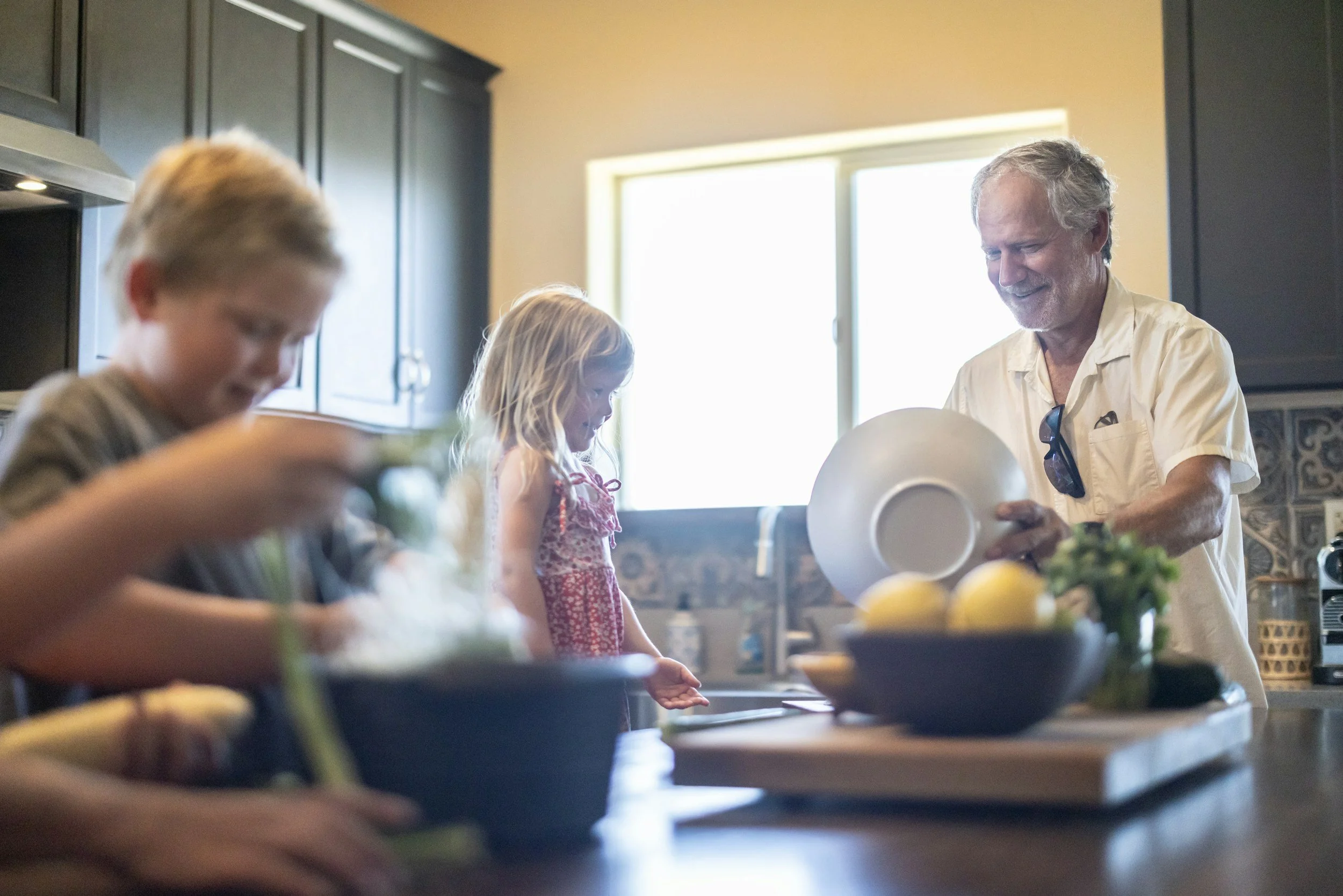
(Two children and an adult are standing in a kitchen together. The adult is holding a white glass plate. by @landolakesinc on Unsplash)
As parents, we may feel pressure around the expectation that family memories require detailed planning, expensive outings, or hours of prep - particularly when annual holidays roll around, or it’s becoming your turn to host a recurring family event.
If you are running on low capacity after a long week/month/year/life of work and the general daily demands of parenting, the mere thought of adding another multi-step tradition to your plate can feel overwhelming. If you’re parenting neurodivergent children and/or are a neurodivergent adult yourself, this can be particularly difficult to navigate between protecting your own energy while still wanting to show up for your family.
The truth? Meaningful family customs, routines, and rituals don’t have to cost a lot (financially or energetically), and you don’t have to spend all your spoons to the point where you’re not enjoying them yourself or needing recovery time after.
The best family traditions (and over time, priceless memories) aren't always the most impressive, costly, or hours-long events. Sometimes, it's actually the little things: moments that quietly say, sometimes without words, what it feels like to belong.
Here are seven simple, low-energy traditions that can bring connection without burning you out:
Take a Walk Every Season

(A group of 6 people are walking in an autumn forest path. Image by Ashim D’Silva @randomlies)
Take an easy, low-effort walk in nature around your neighborhood, or along a special path that never changes, during each new season.
Notice what changes around you: if the trees have grown, if garage sales or lemon stands are up, if it is rainy, icy or sunny, what kinds of birds are flying around.
Collect a small treasure like a rock or a branch, and take a family photo with your phone. Unlike a usual dog walk, this is a more intentional route for the family to slow down, notice each other, and be more present in the moment.
That’s it! Collect the photos over time to see how the world and your family change around you.
Make a Family Catchphrase
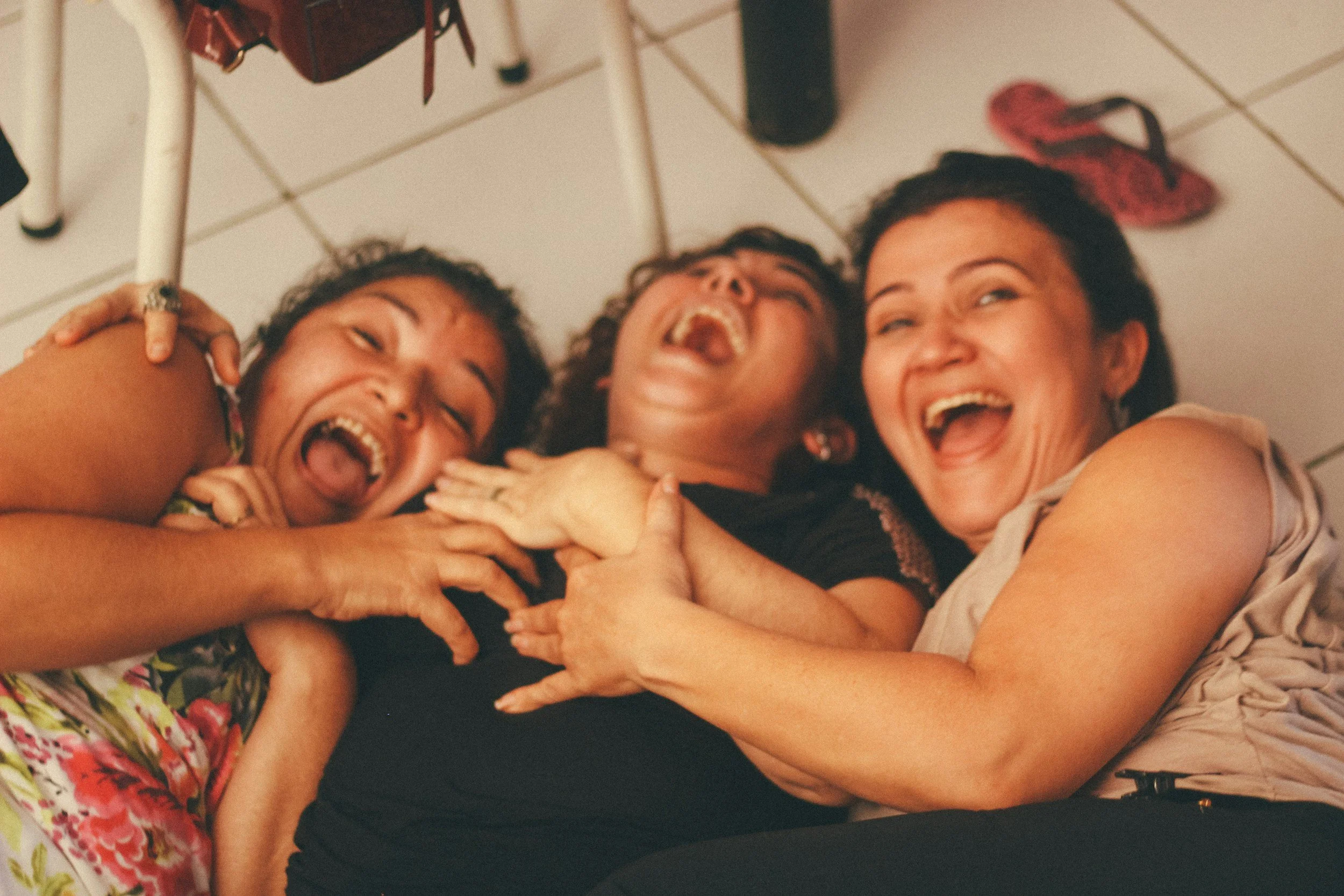
(Three adults are laughing deeply together, lying on a white tiled floor. Image by Igor Rodrigues @igorrodrigues)
Brainstorm a special phrase together. This can be something you always say before your child leaves for school, before going on a vacation or coming back from one, before bed, or when they are facing something difficult.
One day, your child might grow up to say it to their own children! Make sure it’s around something positive, to not associate bad feelings around the phrase.
A note from Coach Deanna: Growing up, there were a few years in her life where her dad worked several hours away in another city and she could only see him once a week. After spending precious weekends together, her family made a special catchphrase as they did a group hug together before he left to begin the workweek again.
Have an Indoor Picnic

(A pizza sets on a marbled surface. Image by Aurélien Lemasson-Théobald @aurel__lens)
Even if it's not picnic season, spread out a blanket or towels in the living room and have a picnic there instead of at a table. Keep cutlery and other accessories to a minimum, where the focus is on a new sensory approach and environment to eating together, with ideally less cleanup than usual.
You can cook the meal together, stick to a ‘girl dinner’ of light snacks or grab takeout, go through the motions of taking the food out of a basket, walk to a friend’s house and have the picnic at their place, whatever your family wants to enjoy.
As you sit together on the floor, you can share stories from the week, watch a movie, whatever you feel like doing as a family! By hosting a picnic and eating in an unexpected place, you can keep things novel, interesting and memorable for everyone.
Celebrate the Ordinary Things

(A child is jumping in the air with closed eyes and a wide smile. Image by Zachary Kadolph @zacharykadolph)
Celebrate something small whenever you find it, and be consistent about the celebration:
I tried something new!
I did well on a quiz I was scared about!
We washed the car together!
I didn’t burn the pancakes this time!
Our puppy peed on the pee pad!
I wasn’t late for the school bus!
Not every celebration should wait for a major milestone or holiday, and not everything has to be ‘big’ to warrant celebrating. If you feel it, celebrate it, no cake and party hats needed.
Jump for joy, dance together, offer deep hugs and hand squeezes, and celebrate in sensory-friendly ways if needed. You might even want to schedule that event as an annual celebration: a reminder of that time you were brave can become a “bravery day” to remember, revere, and grow in your confidence over time.
Complete a Birthday Interview
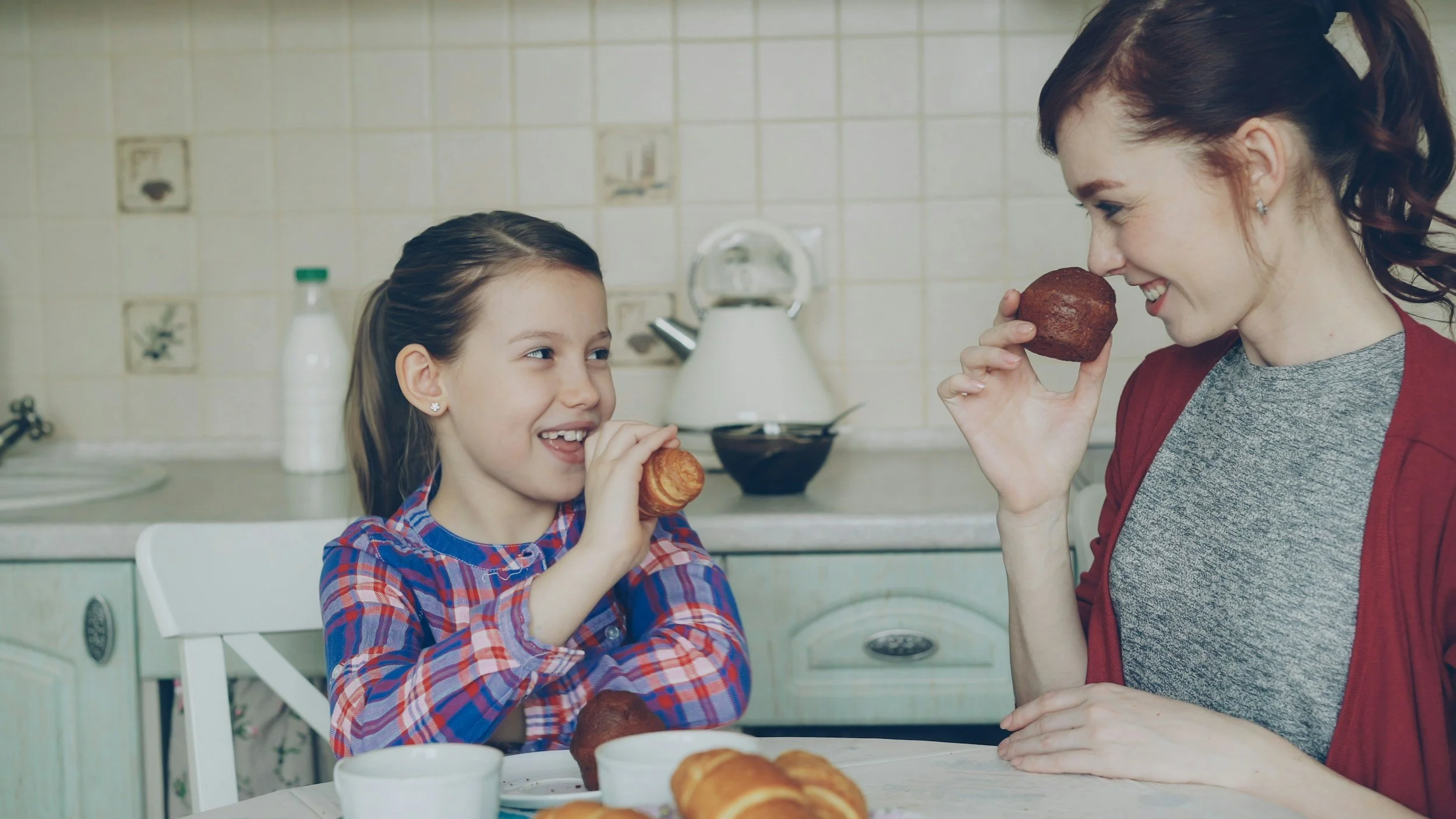
(An adult and child are in a kitchen, each holding a muffin in their hand. Image by Vitaly Gariev @silverkblack)
As your child reaches another birthday, ask them the same few questions every year. You can borrow ours, or think of your own:
What makes you happy?
What are you proud of?
What would you like to learn?
What's your favourite family memory?
What would you like to be when you grow up?
Keep their answers somewhere safe, and look back to see how their thoughts and answers change over the years.
Collect your Wins in Physical Form
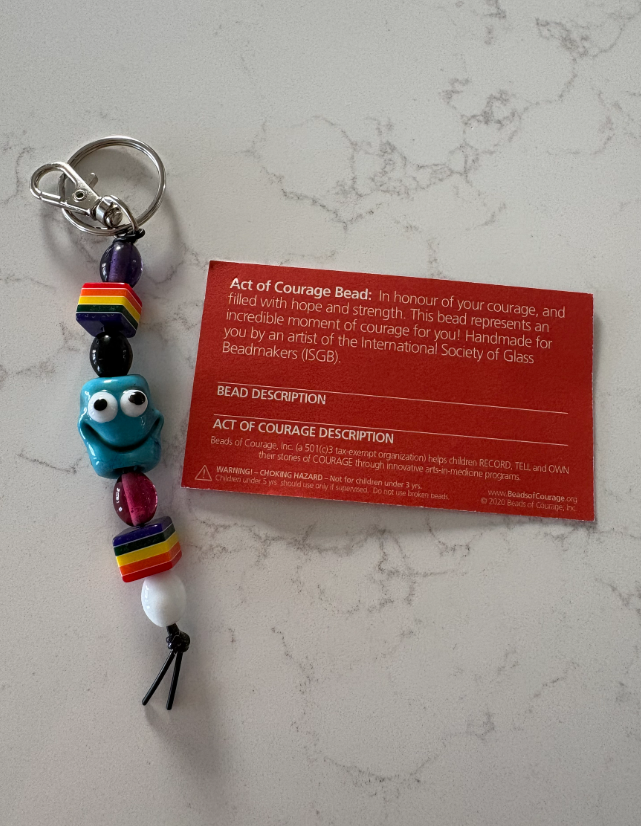
The above picture is a collection of Beads of Courage. Each handmade bead represents an individual moment of courage: a needle poke at a clinic, overcoming a time of anxiety or pain, and so on.
This keychain was put together by one of our clients, and given to one of our coaches. We were absolutely touched by this gift, and truth be told, is the reason we felt compelled to put together this blog post!
Remember, connection lives just as strongly in the small, quiet spaces of everyday life. You don’t need to manufacture grand spectacles or run yourself ragged trying to curate a picture-perfect childhood.
The traditions that anchor us, heal us, and stay with us for a lifetime are almost always quiet ones: a shared look across a living room floor, a phrase whispered like a secret code of care, glow in the dark stars affixed to a bedroom for years, or the steady, comforting rhythm of simply showing up together.
Give yourself permission to let go of the pressure, to keep things simple and low-energy, and to trust that in doing less, you are actually making room for what matters most: being present, being gentle, and being together.
